

At MBP Coaches’ School, we believe that every inverted full back, due to their specific playing characteristics, must master three key individual fundamentals in order to positively influence both their own performance and that of their team.
Depending on the game model that each coach wishes to implement, specific player profiles will be required. In this case, inverted full backs are characterised by their ability to join in the attack, but they participate more in building up play and stand out for their ability to provide support and create advantages.
If we look at some of the best full backs in football today, we see that many of them have mastered three fundamentals that we consider key to their game and profile. We describe them below:
1. Fundamental: Offering support in the central channel in the midfielders’ zone
One of the essential attacking fundamentals that the full back must master appears mainly in the build-up of dynamic play and in the progression zone, when the opposition team is in a positional defence, without applying high and intense pressure.
The full back must position themselves as a defensive midfielder, freeing up the outside channel for other teammates, usually the wingers.
The main purpose of this fundamental is to overcome the first line of opposition forwards, looking for a suitable gap to progress forward, ensure continuity in the play, or provide emergency support in the event of intense pressure from the opposing team.
The player’s profile and the game model will be decisive factors in executing this fundamental, as specific characteristics and skills will be required for its execution: good reading of the game, mastery of profiles, control and passing, etc.
In addition, it allows us to have greater balance in the central channel, occupying that area to gain depth with other players. On the other hand, in areas of progression, it allows us to open a direct passing line to a winger, creating a possible 1-on-1 situation in the wide channel (qualitative advantage).
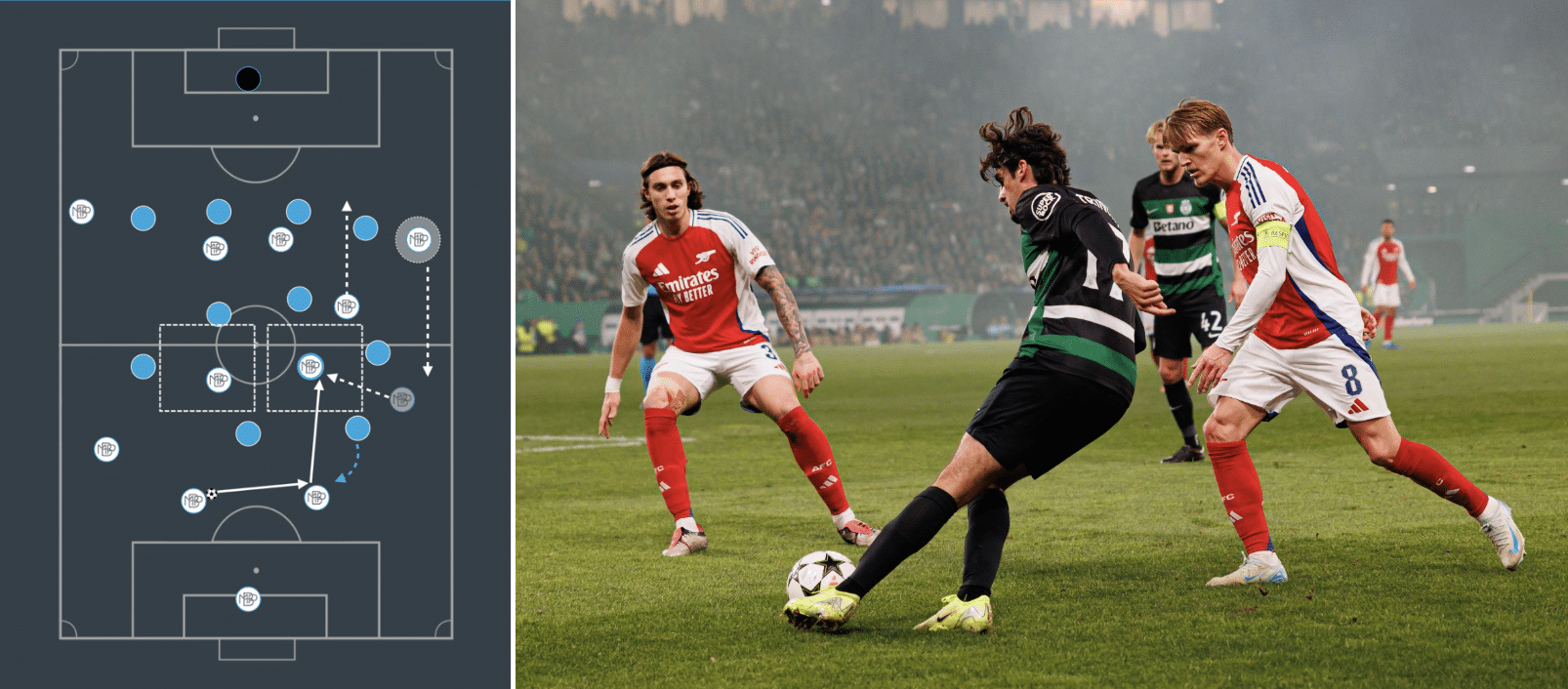
Image 1. Graphical representation of the fundamental for providing support in the central channel in the midfielders’ zone. Source: MBP Coaches’ School
2. Fundamental: Closing the central channel when the team progresses through the opposite wing into the finishing zone
This defensive fundamental mainly comes into play during the 3/4 attack or finishing zone, with the ball in the opposite channel ahead of our position. The full back can make a supporting movement towards the centre channel, reducing their width to maintain proper connection with the block and be better positioned for a possible defensive transition.
The player has different options depending on the situation:
- Stay in line with the centre backs if numerical superiority is needed, for example, if the opponent leaves two forwards up.
- Position themselves alongside the defensive midfielders to be closer to the defensive transition, for example, if the opponent leaves only one forward up.
- Move closer to the opposition’s area to be closer to the 2nd balls if there is no marking reference or if there is a need to be more attacking depending on the minute and the score.
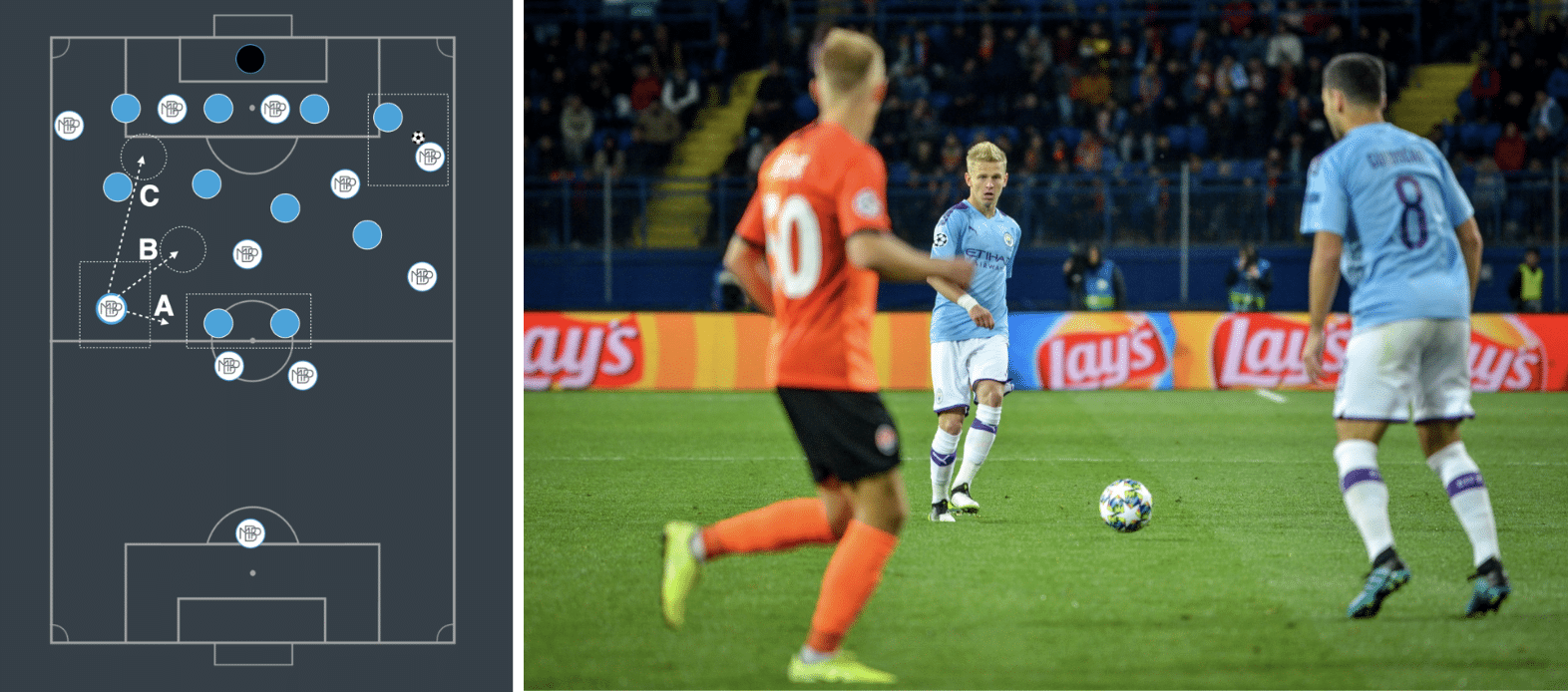
Image 2. Graphical representation of the fundamental for Closing the central channel when the team progresses through the opposite wing into the finishing zone. Source: MBP Coaches’ School
3. Fundamental: Playing through the 3rd man
This fundamental is particularly evident in the build-up of static and dynamic play, when high pressure cuts off direct passing lies to the nearest players. When the opponent applies pressure by cutting off a passing line, they free up the player who was marking. The on-ball teammate, having no direct passing lane to them, must use a second player, who will ultimately connect with the third man. This player will be free due to the opponent’s initial pressure.
The third man can be applied in continuity situations (A) and in progression situations (B). Progression situations will be more complex as they will require a higher level of perception. In terms of coordination, the complexity will also be higher as the body must be well oriented, and the pass must be directed forward at high speeds and usually with strong pressure from the opponent.
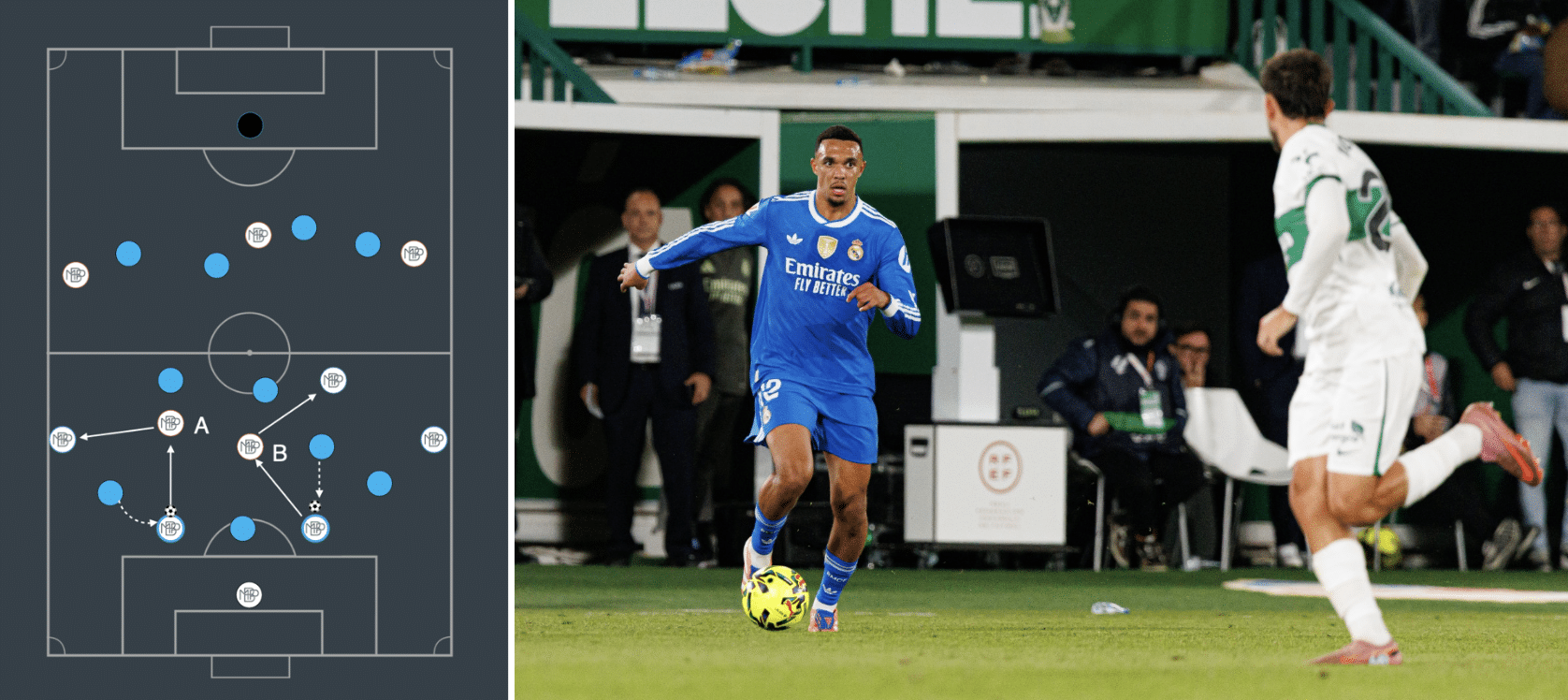
Image 3. Graphical representation of the fundamental of Playing through the 3rd man. Source: MBP Coaches’ School
In short, the inverted full back is an essential part of the modern team structure, capable of influencing both the attacking and defensive phases of play. Their ability to provide support in the central channel, close down spaces inside when the ball is moving down the opposite wing and activate the third man fundamental allows them to create constant advantages at different heights of the pitch. These behaviours require a high level of reading the game, technical precision, and understanding of the collective model.
Would you like to learn more about the individual fundamentals by position?
The ‘Specialist in Individual Fundamentals by Position’ course will allow you to delve deeper into the more than 90 individual fundamentals for each player position. All of these fundamentals are based on an extensive study of each and every one of the most common and relevant situations that each player encounters during a match, depending on their position on the pitch. Once these situations have been identified in the play, we study the optimal solutions that give the player the best chance of success.