

Mobile forwards must master many fundamentals, but three in particular. They are versatile players whose main strength is creating and exploiting space in attack. Their contribution goes beyond finishing, as they help build play and create opportunities for their teammates. They have a decisive impact on both ball progression and the ability to create scoring opportunities.
Depending on the game model each coach wishes to implement, specific player profiles will be required. In this case, mobile forwards are characterised by being versatile players with a variety of movements to receive the ball and attack in behind, being very fast in medium-long spaces.
If we look at some of the best forwards in football today, we see that many of them have mastered three fundamentals that we consider key to their game and profile. We describe them below:
1. Fundamental: Dismarking in behind by taking the backs of the centre backs (dismarking diagonally)
One of the essential attacking fundamentals that a mobile forward must master occurs when our forward does not have the ball and the teammate in possession has the opportunity to make a pass into space. Forwards must take advantage of every opportunity to move behind one of the centre backs. This can be behind the first or second centre back, with the intention of positioning themselves on their blind side (so that they lose sight of the forward’s position as they focus on the ball).
The real opportunity to do this arises when the teammate with the ball has the option to play into space. The movement should be diagonal towards goal. The forward will only run in front of the centre back when they want to fix them, deliberately drawing them into space, a movement that we will see reflected in another fundamental very soon.
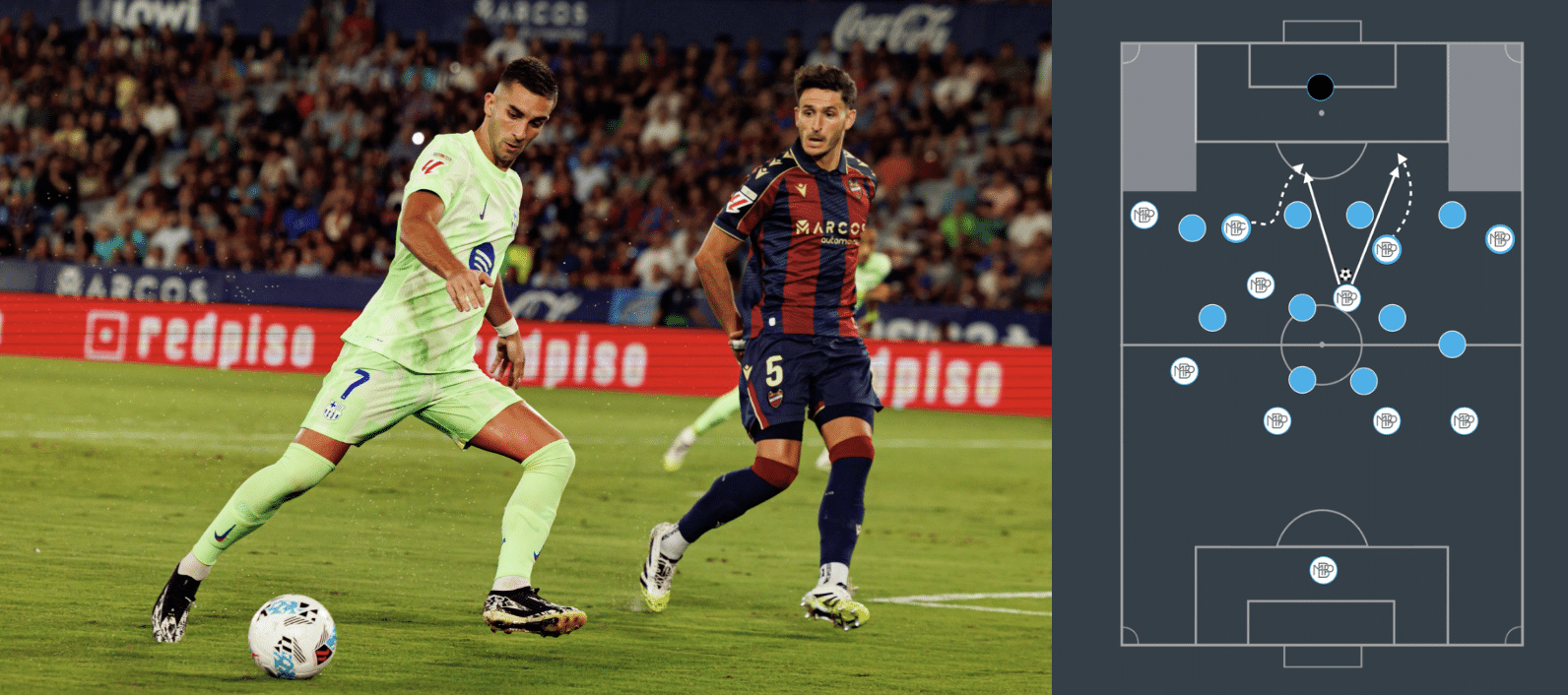
Image 1. Graphic of the fundamental of Dismarking in behind by taking the backs of the centre backs (dismarking diagonally).
2. Fundamental: Dismarking in support to feet (dismarking diagonally)
When the centre forward is in the first passing line to receive the ball and the defence uses a predominantly zonal marking system or is attracted to the position of the ball. The striker must break free using an L-shaped supporting movement, with their body side-on and with the intention of progressing in the play. Dismarking to set the ball for teammates is another fundamental we will see later on, corresponding to the block on ‘offering support’.
- Si los centrales hacen una defensa poco presionante, se podrán recibir balones interiores. If the centre backs make little defensive pressure to the movement, the attacking midfielders will be free to receive.
- If, on the other hand, the defence does pressure, more space will be created in behind for players to run into.
Guarantee the passing interval by moving away from the defensive line, but without crossing the midfield line. The open body orientation achieved during the run to lose your marker will be key. Orientated control will be decisive in order to progress properly in these high-density areas.
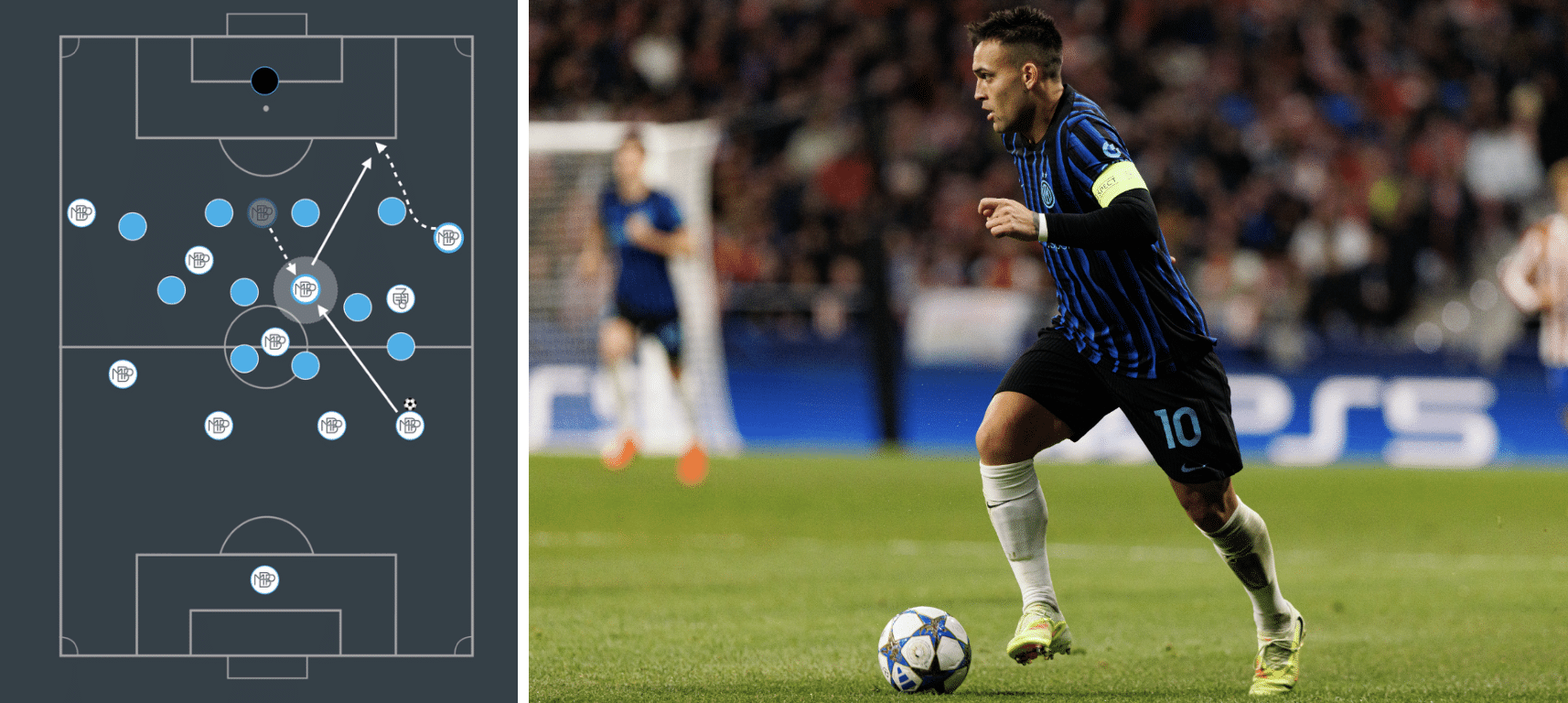
Image 2. Graphic of the fundamental of Dismarking in support to feet (dismarking diagonally).
3. Fundamental: Creating your own space for dismarking
This fundamental appears when the attacker does not have the ball, the defence is pressing strongly and the on-ball teammate has the possibility of executing a pass. The player should start the run in the opposite direction to where they actually want to move into in order to create usable space.
The initial feint should be a minimum of three steps to attract the marker sufficiently. To create uncertainty for the marker, the forward needs to alternate between running diagonally backwards and forwards while assessing whether the defender is holding their position or following their run closely.
- Dismarking in support + dismarking in behind.
- Dismarking in behind + dismarking in support to feet
- If, in any of these movements, the defender automatically closes the space we are looking for, we will receive the ball to feet
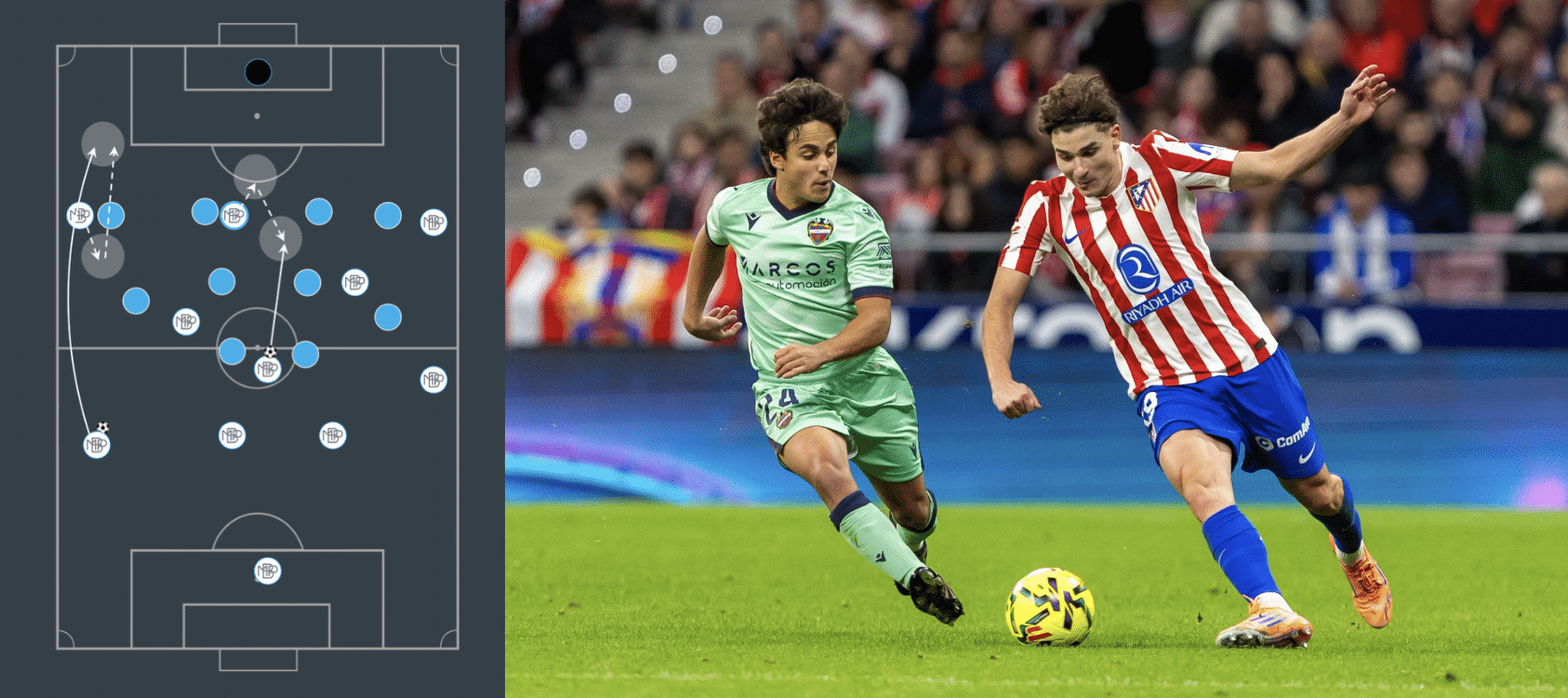
Image 3. Graphic of the fundamental of Creating your own space for dismarking.
In conclusion, the mobile forward has become a decisive player in modern football thanks to their ability to create advantages at different heights and in different contexts of the play. Their mastery of the three fundamentals described —running in behind the centre backs, making diagonal runs in support, and creating their own space through feints—allows them to be a constant threat both on the ball and in space. These behaviours require excellent reading of the play, precision in timing, and great technique.
Do you want to learn more about the Individual Fundamentals by Position?
The ‘Specialist in Individual Fundamentals by Position’ course will allow you to dive deeper into the more than 90 individual fundamentals for each player position. All of these fundamentals are based on an exhaustive study of each and every one of the most common and relevant situations that each player encounters during a match, depending on their position on the pitch. Once these situations have been identified in the play, we study the optimal responses that give the player the best chance of success.